
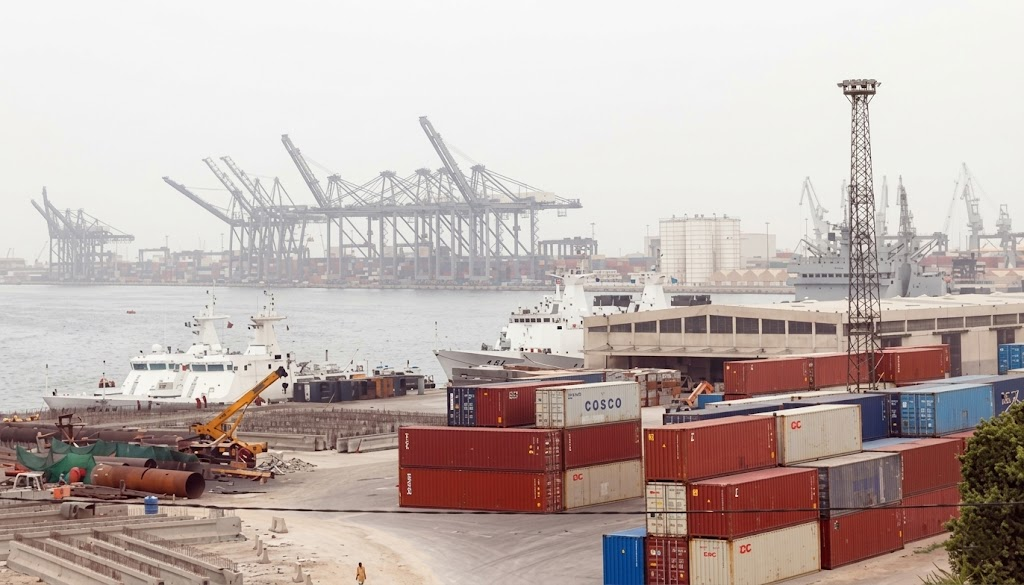
Pakistan’s widening trade deficit has once again highlighted deep structural weaknesses in the country’s economic and energy management policies, as rising imports and weak export growth continue to increase pressure on the external sector.
During the first 10 months of FY2026, the country’s trade deficit climbed to nearly $32 billion, while the monthly deficit for April alone crossed $4 billion. The sharp increase was driven by a surge in imports, particularly petroleum and energy-related purchases.
Goods imports in April reached $6.553 billion, marking the highest monthly level recorded since June 2022. At the same time, exports showed only modest growth, widening the imbalance between incoming and outgoing trade flows.
Economic analysts argue that the growing deficit is not the result of industrial expansion or productive economic growth, but rather a reflection of heavy consumption-driven imports, rising energy dependence and long-standing policy inefficiencies.
Energy imports remained one of the biggest contributors to the trade gap. Pakistan’s petroleum import bill in April exceeded $2.1 billion, including spending on crude oil, petrol, diesel, LNG and LPG.
Experts say the country’s energy procurement strategy has significantly worsened the situation. Despite periods of lower global energy prices, Pakistan has repeatedly relied on delayed and reactive purchasing decisions instead of long-term planning and strategic reserves.

Earlier in the fiscal year, the country reportedly faced excess LNG supply under long-term agreements, only to later enter the spot market at significantly higher prices to address shortages. This sudden shift increased import costs and exposed the economy to volatile international energy markets.
Analysts believe limited oil storage capacity has further weakened Pakistan’s ability to purchase energy at favourable prices, forcing frequent small-volume imports during periods of market uncertainty.
The broader geopolitical situation in the Middle East has also added pressure on global supply chains and energy prices. While several regional economies moved quickly to secure energy contracts, ration fuel usage and capture export opportunities created by supply disruptions, Pakistan struggled to fully benefit from shifting global trade patterns.
Economists note that Pakistan failed to significantly expand exports during the period despite opportunities in sectors such as textiles and manufacturing, while competing countries managed to gain a larger share of international demand.
Several structural challenges continue to limit Pakistan’s export performance. These include heavy reliance on low-value exports, high electricity and gas costs for industries, inconsistent economic policies and limited diversification into higher-value sectors such as engineering goods, technology and value-added manufacturing.
Frequent policy changes, import restrictions, exchange rate uncertainty and elevated taxation have also created an unpredictable business environment for exporters and investors.
Trade diplomacy has additionally come under scrutiny, with experts arguing that Pakistan has not secured sufficient market access or trade advantages compared to competing regional economies.
Energy management remains another major concern. Analysts say Pakistan’s repeated dependence on emergency fuel purchases during periods of high global prices has unnecessarily inflated the import bill and increased economic vulnerability.
Calls are now growing for major reforms aimed at improving energy planning, strengthening export competitiveness and reducing external sector risks.
Among the proposed measures are the development of larger strategic oil reserves, reforms in energy procurement systems, diversification of export industries and targeted support for export-oriented sectors.
Economists also stress the need for broader industrial development in areas such as information technology, pharmaceuticals, engineering goods and agro-processing to reduce dependence on traditional commodity exports.
At the same time, experts argue that Pakistan must adopt more flexible and proactive trade strategies to respond effectively to global geopolitical and economic shifts.
Concerns have also been raised regarding exchange rate management, with analysts warning that an overvalued currency discourages exports while encouraging imports, further worsening the trade imbalance.
Economic observers believe the country’s growing trade deficit reflects years of delayed reforms, inconsistent planning and reactive policymaking. They warn that without structural changes in energy management, industrial policy and export strategy, Pakistan could remain vulnerable to recurring external sector crises and mounting economic pressure.