
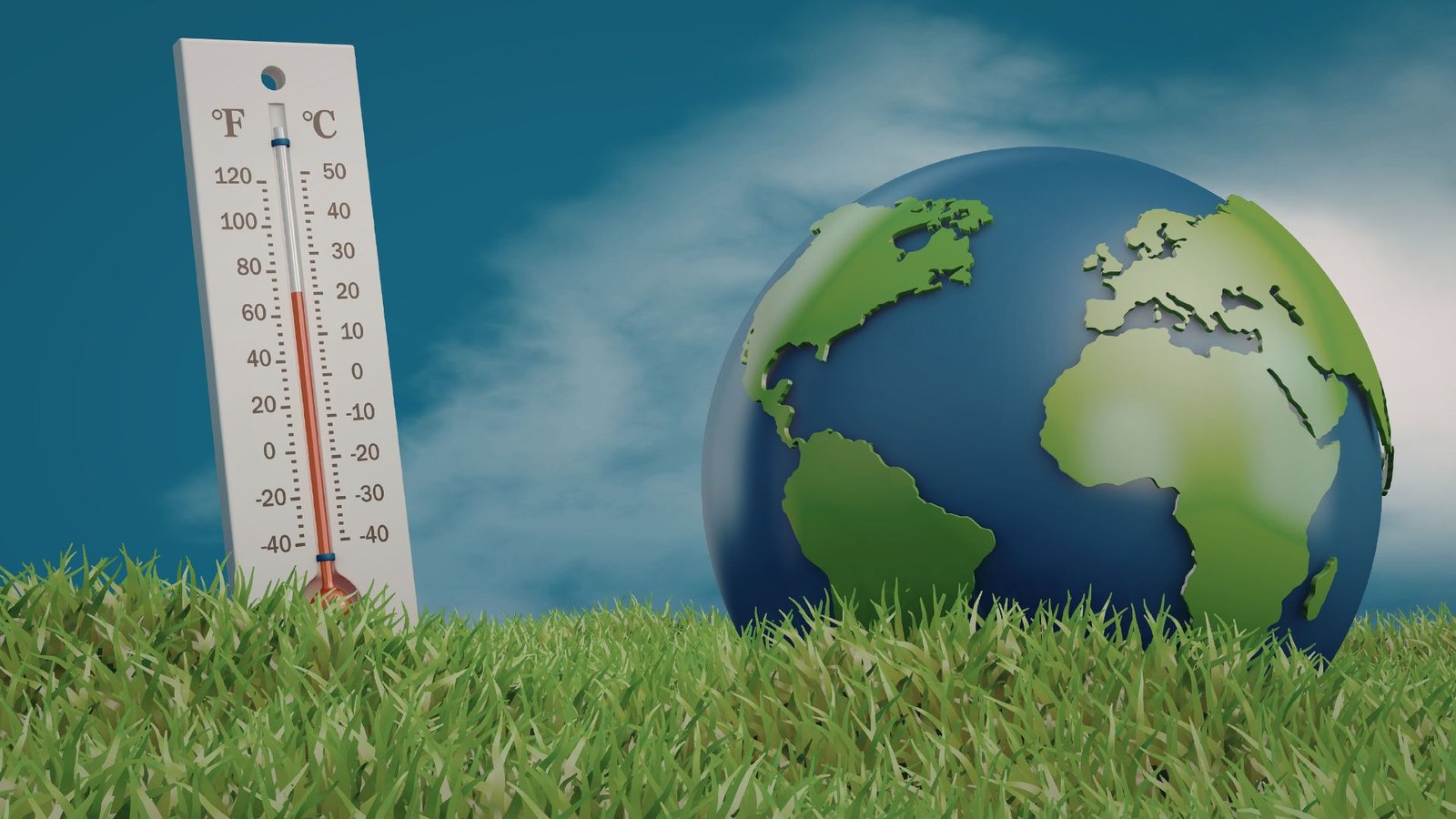
Climate change is no longer a distant or theoretical concern—it has become an observable and urgent global challenge. Despite increasing awareness, a significant portion of the population continues to underestimate its severity. Climate refers to long-term patterns of temperature, humidity, rainfall, and wind, and current changes in these patterns are becoming increasingly evident.
Scientific indicators clearly point to rapid environmental shifts, including rising global temperatures, warming oceans, melting ice sheets, increasing sea levels, extreme weather events, and ocean acidification. The Intergovernmental Panel on Climate Change has unequivocally stated that the warming of the climate system is a confirmed reality.
Research shows that atmospheric carbon dioxide levels have risen sharply—from around 300 parts per million (ppm) in 1950 to approximately 420 ppm today—highlighting the scale of human impact on the environment. Addressing this crisis requires more than individual efforts; coordinated action at national and international levels is essential. Governments must collaborate to develop and implement effective strategies to mitigate climate risks.
Several countries have made notable progress in addressing climate change. Nations such as France, Sweden, and United Kingdom are among those leading efforts through initiatives aligned with the Paris Agreement. These efforts include expanding renewable energy use, improving recycling systems, reducing greenhouse gas emissions, and promoting environmentally sustainable policies. Italy has also introduced climate education as part of its school curriculum.

Experts emphasize the need for resilient, cooperative, and inclusive global communities to address the crisis effectively. A large-scale transition toward sustainable practices could significantly reduce future environmental damage and help avoid the most severe consequences for coming generations.
A key concern remains the role of large corporations, particularly multinational firms, whose industrial activities contribute significantly to environmental degradation. Strong regulatory policies are needed to control pollution and encourage investment in clean energy solutions.
Public awareness is also critical. Expanding climate-related discussions through media platforms can help inform people about worsening environmental conditions and encourage collective action. Greater advocacy can push policymakers to prioritize environmental protection.
Transitioning to cleaner technologies, such as hybrid and fully electric vehicles, is another important step. Increased support for such innovations can reduce dependence on fossil fuels and lower carbon emissions.
While some continue to question the causes of climate change, extensive scientific data confirms that human activity plays a central role. Ignoring these findings risks accelerating environmental deterioration and increasing the likelihood of severe global consequences.