
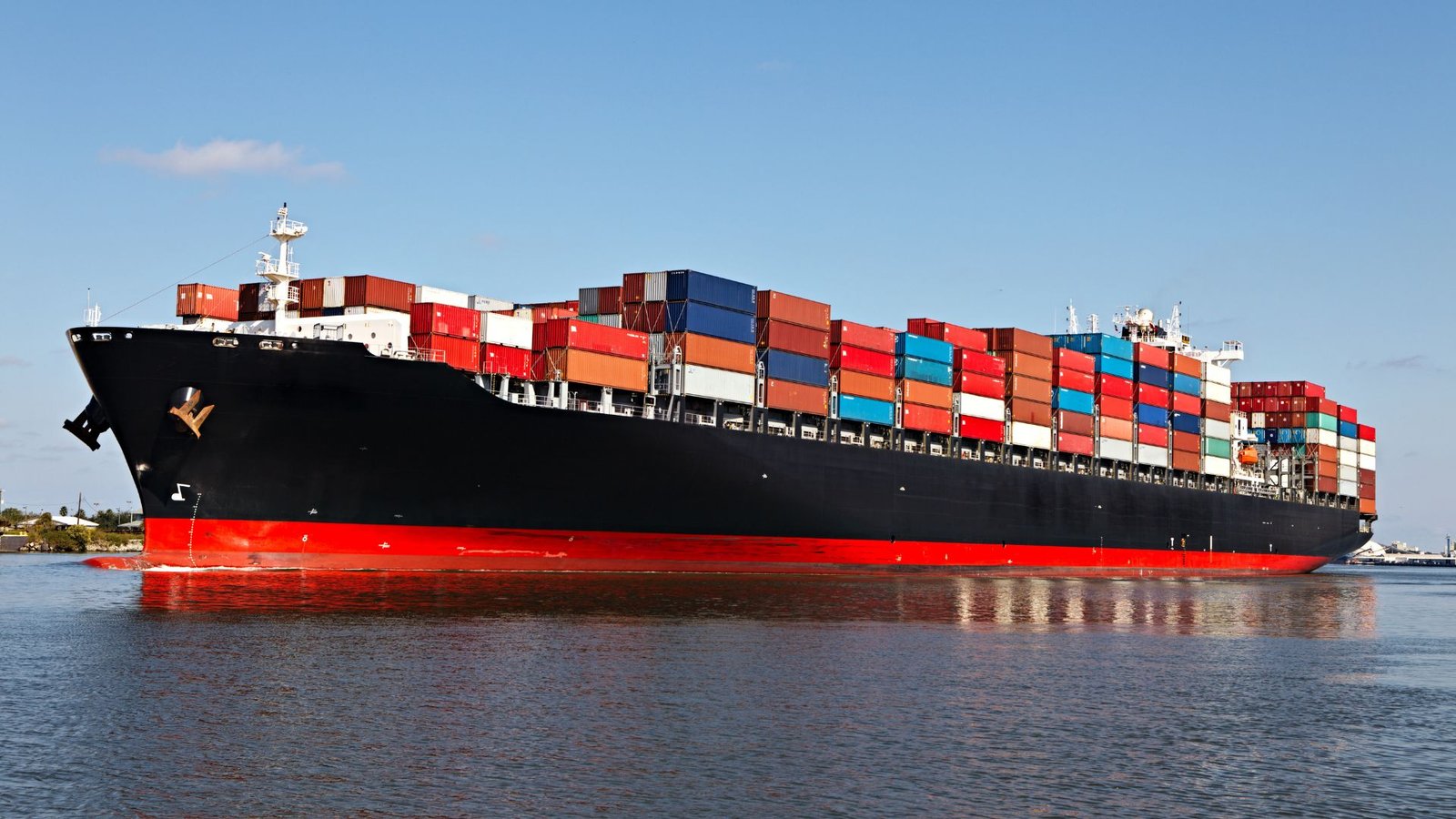
The ongoing tensions in the Gulf region have once again highlighted Pakistan’s deep dependence on imported oil, exposing serious weaknesses in the country’s economic structure as rising crude prices continue to pressure inflation, the currency and overall financial stability.
With conflict intensifying near the Strait of Hormuz and concerns growing over disruptions in global oil shipments, international crude prices have climbed sharply. For Pakistan, the impact is immediate, as the economy remains highly vulnerable to fluctuations in global energy markets.
Higher oil prices directly affect inflation across multiple sectors. Increased fuel costs push up transportation expenses, electricity tariffs and manufacturing costs, which eventually lead to rising food prices and a heavier burden on consumers already struggling with high living costs.
Pakistan imports petroleum products worth nearly $18-20 billion annually, making the country especially sensitive to global oil price movements. Analysts estimate that every $5 increase in crude prices adds around $1 billion to the national import bill, placing additional strain on the current account and foreign exchange reserves.
The rising import burden also puts pressure on the Pakistani rupee, increases the need for external borrowing and forces tighter monetary policies to control inflation. At the same time, higher fuel prices add to the government’s fiscal challenges by increasing power sector subsidies, worsening circular debt and reducing funds available for development projects such as health, education and infrastructure.
Economic experts warn that while the government may face pressure to provide broad fuel subsidies, such measures could further damage public finances. Instead, targeted relief programmes aimed at supporting low-income households are being viewed as a more sustainable option. Assistance through digital payment systems and social welfare programmes could help vulnerable groups without significantly increasing fiscal deficits.
Support for public transportation, agriculture and essential supply chains is also considered important to limit the wider inflationary impact on the economy.
Pakistan may also rely on existing fuel reserves to temporarily manage supply pressures and prevent panic buying in local markets. Although reserves remain limited, controlled use of available stocks could provide short-term stability while international markets adjust.
Energy conservation measures are also being discussed as part of immediate responses. Reduced government working hours, early market closures and greater use of energy-efficient systems could help lower national fuel consumption and reduce import costs.
On the diplomatic front, Pakistan is expected to strengthen coordination with Gulf allies including Saudi Arabia, the United Arab Emirates and Qatar to secure flexible energy arrangements, deferred payment facilities and short-term supply support during the crisis period.
Despite these short-term measures, analysts believe the country’s larger problem remains structural. Pakistan’s continued reliance on imported fossil fuels leaves the economy exposed to every major geopolitical crisis in the Middle East.
Experts stress that long-term energy reforms are essential to reduce this vulnerability. Accelerating investment in renewable energy, particularly solar and wind power, is being seen as a key solution to lower import dependence, stabilise electricity prices and attract foreign investment.
Calls are also growing for expanding domestic refining capacity to reduce reliance on imported refined petroleum products while strengthening industrial growth and job creation.
The transport sector, one of the country’s largest fuel consumers, is another major focus area. Increased adoption of electric vehicles, development of charging infrastructure and local EV manufacturing could significantly reduce oil demand over time.
At the same time, reforms in the power sector remain critical. Addressing transmission losses, inefficient distribution companies, tariff imbalances and mounting circular debt is considered necessary for achieving long-term energy stability.
Experts also emphasise the importance of establishing a larger strategic petroleum reserve to protect the country against future global supply disruptions and sudden price shocks.
The latest Gulf crisis is increasingly being viewed as a warning sign for Pakistan’s economy, underlining the urgent need for long-term reforms aimed at reducing dependence on imported oil and building a more sustainable energy framework.